How well do you know your headaches? Here is a complete list of the different types of headaches.
The
Complete Headache Chart
Allergy Headaches
Symptoms: Generalized headache; nasal congestion; watery
eyes
Precipitating Factors: Seasonal allergens, such as pollen,
molds. Allergies to food are not usually a factor.
Treatment: Antihistamine medication; topical, nasal
cortisone related sprays; or desensitization injections
Prevention: No
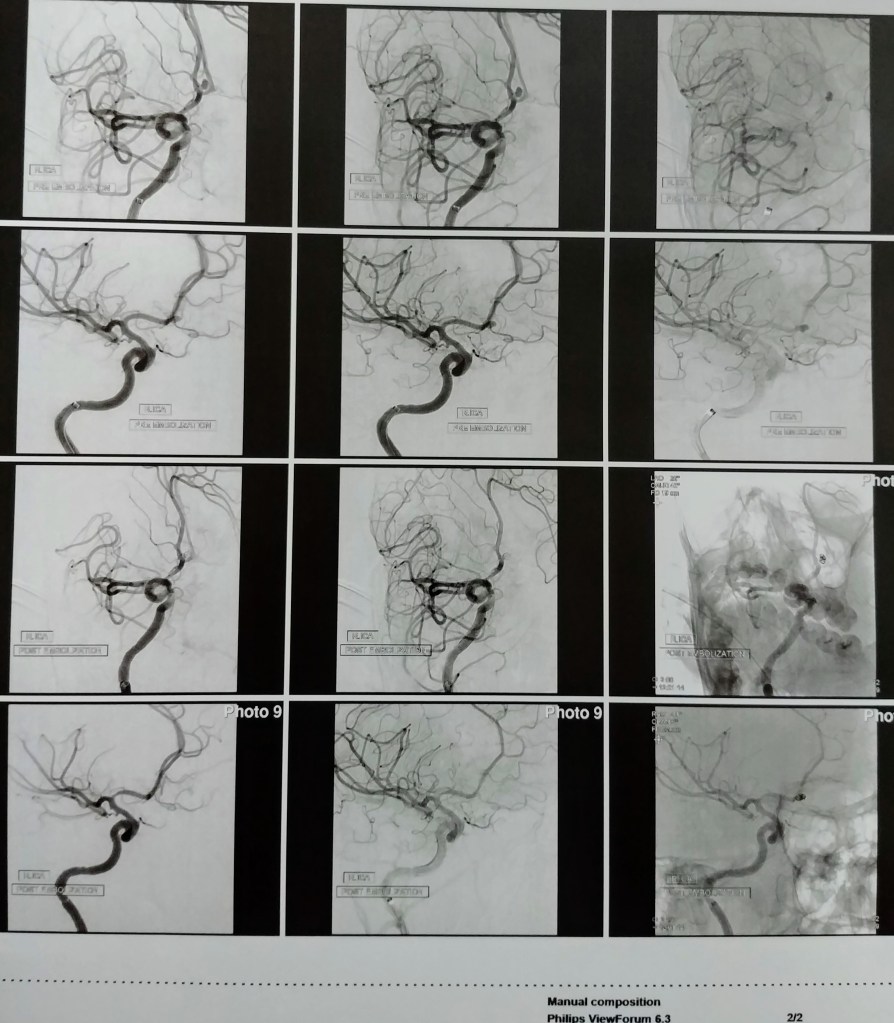
Aneurysm
Symptoms: May mimic frequent migraine or cluster headaches,
caused by balloon-like weakness or bulge in blood-vessel wall. May rupture
(stroke) or allow blood to leak slowly resulting in a sudden, unbearable
headache, double vision, rigid neck. The individual rapidly becomes
unconscious.
Precipitating Factors: Congenital tendency; extreme
hypertension
Treatment: If aneurysm is discovered early, treat with
surgery.
Prevention: Keep blood pressure under control to prevent.
Arthritis Headaches
Symptoms: Pain at the back of head or neck which intensifies
on movement. It is caused by inflammation of the blood vessels of the head or
bony changes in the structures of the neck.
Precipitating Factors: Cause of pain is unknown
Treatment: Anti-inflammatory drugs, muscle relaxants
Prevention: None
Caffeine-Withdrawal Headaches
Symptoms: Throbbing headache caused by rebound dilation of
the blood vessels, occurring multiple days after consumption of large
quantities of caffeine.
Precipitating Factors: Caffeine
Treatment: Treat by terminating caffeine consumption in
extreme cases.
Prevention: Avoiding excess use of caffeine
Chronic Daily Headaches
Symptoms: Refers to a broad range of headache disorders
occurring more than 15 days a month; two categories are determined by duration
of the headache (less than four hours and more than four hours).
Precipitating Factors: Typically evolve from transformed
migraine. Although not related to chronic tension-type headache, they can evolve
from episodic tension-type headache. Can be associated with medication overuse.
Treatment: Depending on the type of CHD, different treatment
options exist. It is important to limit analgesic use.
Prevention: Based on diagnosis of headache, how long they
last, and the number experienced per month.
Cluster Headaches
Symptoms: Excruciating pain in the vicinity of the eye;
tearing of the eye; nose congestion; and flushing of the face. Pain frequently
develops during sleep and may last for several hours. Attacks occur every day
for weeks, or even months, then disappears for up to a year. Eighty percent of
cluster patients are male, most between the ages of 20 and 50.
Precipitating Factors: Alcoholic beverages; excessive
smoking
Treatment: Oxygen; ergotamine; sumatriptan; or intranasal
application of local anesthetic agent
Prevention: Use of steroids; ergotamine; calcium channel
blockers; and lithium
Depression and Headaches
Symptoms: People with painful organic diseased tend to
become depressed.
Precipitating Factors: Causes can originate from a wide
variety of complaints that can be categorized as physical, emotional, and
psychic.
Treatment: The presence of depression is often subtle and
the diagnosis is frequently missed. Depression is a wide spread affliction that
can be treated, but first it must be unmasked.
Prevention: Physicians can prescribe tricyclic
antidepressants, selective serotonin re-uptake inhibitors, or monoamine oxidize
inhibitors in the treatment of headaches associated with depression.
Eyestrain Headaches
Symptoms: Usually frontal, bilateral pain directly related
to eyestrain. It is a rare cause of headache.
Precipitating Factors: Muscle imbalance; uncorrected vision;
astigmatism
Treatment: Correction of vision
Prevention: Correction of vision
Exertional Headaches
Symptoms: Generalized head pain of short duration (minutes
to an hour) during or following physical exertion (running, jumping, or sexual
intercourse), or passive exertion (sneezing, coughing, moving one’s bowels,
etc.)
Precipitating Factors: Ten percent caused by organic
diseases (aneurysms, tumors, or blood vessel malformation). Ninety percent are
related to migraine or cluster headaches.
Treatment: Cause must be accurately determined. Most
commonly treated with aspiring, indomethacin, or propranolol. Extensive testing
is necessary to determine the headache cause. Surgery is occasionally indicated
to correct the organic disease.
Prevention: Alternative forms of exercise; avoid jarring
exercises
Fever Headaches
Symptoms: Generalized head pain that develops with fever and
is caused by the swelling of the blood vessels of the head.
Precipitating Factors: Caused by infection
Treatment: Aspirin; acetaminophen; NSAIDs; antibiotics
Prevention: None
Giant Cell Arteritis
Symptoms: A boring, burning, or jabbing pain caused by
inflammation of the temporal arteries; pain, often around the ear, when
chewing; weight loss; eyesight problems. This rarely affects people under 50.
Precipitating Factors: Cause is unknown. May be due to
immune disorder.
Treatment: Steroids after diagnosis; confirmed by biopsy
Prevention: None
Hangover Headaches
Symptoms: Migraine-like symptoms of throbbing pain and
nausea, but it is not localized to one side.
Precipitating Factors: Alcohol, which causes dilation and
irritation of the blood vessels of the brain and surrounding tissue.
Treatment: Liquids (including broth); consumption of
fructose (honey, tomato juice are a good source)
Prevention: Drink alcohol only in moderation
Hunger Headaches
Symptoms: Pain strikes just before mealtime. It is caused by
muscle tension, low blood sugar, and rebound dilation of the blood vessels,
oversleeping, or missing a meal.
Precipitating Factors: Strenuous dieting or skipping meals
Treatment: Regular, nourishing meals containing adequate
protein and complex carbohydrates
Prevention: Regular, nourishing meals containing adequate
protein and complex carbohydrates
Hypertension Headaches
Symptoms: Generalized or “hairband” type pain that is most
severe in the morning. It diminishes throughout the day.
Precipitating Factors: Severe hypertension: over 200
systolic and 110 diastolic
Treatment: Treat with appropriate blood pressure medication
Prevention: Keep blood pressure under control
Menstrual Headaches
Symptoms: Migraine-type pain that occurs shortly before,
during, or immediately after menstruation or at mid-cycle (at time of
ovulation).
Precipitating Factors: Variances in estrogen levels
Treatment: At earliest onset of symptoms, treat using
biodfeedback, ergotamine, dihydroergotamine, or a 5-HT agonist. Once pain has
begun, treatment is identical to migraine without aura.
Prevention: Biofeedback; betablockers (propranolol,
timolol); anti-convulsant (divalproex sodium); calcium blockers; and NSAIDs
Migraine with Aura
Symptoms: Warning signs develop, which may include visual
disturbances or numbness in arm or leg. Warning symptoms subside within 30
minutes followed by severe pain.
Precipitating Factors: There is a hereditary component.
Other factors include: Certain foods; the Pill or menopausal hormones;
excessive hunger; changes in altitude; weather; lights; excessive smoking; and
emotional stress.
Treatment: At earliest onset of symptoms, treat using
biofeedback, ergotamine, dihydroergotamine, or a 5-HT agonist. Once pain has
begun, treat with: ice packs; isometheptene; mucate; combination products
containing caffeine; ergotamine; DHE injectable and nasal spray; 5-HT agonists;
analgesics or medications, which constrict the blood vessels. Steroids may be
helpful for prolonged attacks.
Prevention: Biofeedback; betablockers (propranolol,
timolol); anti-convulsant (divalproex sodium); calcium blockers; and NSAIDs
Migraine without Aura
Symptoms: Severe, one-sided throbbing pain, often
accompanied by nausea, vomiting, cold hands, sensitivity to sound and light
Precipitating Factors: There is a hereditary component.
Other factors include: Certain foods; the Pill or menopausal hormones;
excessive hunger; changes in altitude; weather; lights; excessive smoking; and
emotional stress.
Treatment: Ice packs; isometheptene; mucate; combination
products containing caffeine; ergotamine; DHE injectable and nasal spray; 5-HT
agonists; analgesics or medications, which constrict the blood vessels.
Steroids may be helpful for prolonged attacks.
Prevention: Biofeedback; betablockers (propranolol,
timolol); anti-convulsant (divalproex sodium); calcium blockers; and NSAIDs
New Daily Persistent Headache
Symptoms: Best described as the rapid development (less than
three days) of unrelenting headache. Typically presents in a person with no
past history of headache.
Precipitating Factors: Does not evolve from migraine or
episodic tension-type headache. It begins as a new headache and may be the
result of a viral infection.
Treatment: Can resolve on its own within several months.
Other cases persist and are more refractory.
Prevention: Does not respond to traditional options, but
anti-seizure medications, Topamax, or Neurontine can be used.
Post-Traumatic Headaches
Symptoms: Localized or generalized pain, can mimic migraine
or tension-type headache symptoms. Headaches usually occur on daily basis and
are frequently resistant to treatment.
Precipitating Factors: Pain can occur after relatively minor
traumas, but the cause of the pain often difficult to diagnose.
Treatment: Possible treatment by use of anti-inflammatory
drugs, propranolol, or biofeedback
Prevention: Standard precautions against trauma
Sinus Headaches
Symptoms: Gnawing pain over nasal area, often increasing in
severity throughout day. Pain is caused by acute infection, usually with fever,
producing blockage of sinus ducts and preventing normal drainage. Sinus
headaches are rare. Migraine and cluster headaches are often misdiagnosed as
sinus in origin.
Precipitating Factors: Infection, nasal polyps, anatomical
deformities, such as deviated septum that blocks the sinus ducts
Treatment: Treat with antibiotics, decongestants, surgical
drainage, if necessary
Prevention: None
Temporomandibular Joint (TMJ) Headaches
Symptoms: A muscle-contraction type of pain, sometimes
accompanied by a painful “clicking” sound on opening of the jaw. It is an
infrequent cause of headache.
Precipitating Factors: Caused by malocclusion (poor bite),
stress, and jaw clenching
Treatment: Relaxation, biofeedback, and the use of a bite
plate are the most common treatments. In extreme cases, the correction of
malocclusion may be necessary
Prevention: Same as treatment
Tension-Type Headaches
Symptoms: Dull, non-throbbing pain, frequently bilateral,
associated with tightness of scalp or neck. Degree of severity remains
constant.
Precipitating Factors: Emotional stress, hidden depression
Treatment: Rest; aspirin; acetaminophen; ibuprofen; naproxen
sodium; combinations of analgesics with caffeine; ice packs; muscle relaxants;
antidepressants, if appropriate; biofeedback; psychotherapy; temporary use of
stronger prescription analgesics, if necessary.
Prevention: Avoidance of stress; use of biofeedback;
relaxation techniques; or antidepressant medication
Tic Douloureux Headaches
Symptoms: Short, jab like pain in trigger areas found in the
face around the mouth or jaw; frequency and longevity of pain varies. It is a
relatively rare disease of the neural impulses and is more common in women
after age 55.
Precipitating Factors: Cause unknown, pain from chewing,
cold air, touching face. If under age 55, may result from neurological disease,
such as MS.
Treatment: Anticonvulsants and muscle relaxants, neurosurgery
Prevention: None
Tumor Headache
Symptoms: Pain progressively worsens; projectile vomiting;
possible visual disturbances speech or personality changes; problems with
equilibrium; gait, or coordination; seizures. It is an extremely rare
condition.
Precipitating Factors: The cause of tumor is usually
unknown.
Treatment: If discovered early, treat with surgery or newer
radiological methods.
Prevention: None


 Brain Aneurysm Global Insight